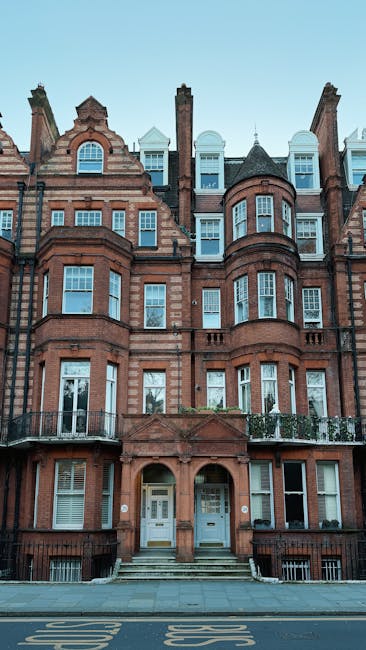
Belgrave Square Movers Case Study High Value Move Success
High-value moves are a different beast. They ask for calmer planning, tighter packing, better coordination, and a level of care that leaves very little room for guesswork. In this Belgrave Square Movers Case Study High Value Move Success article, we look at what a successful premium relocation really depends on, why it matters in an area like Belgrave Square, and how the right approach can turn a stressful move into a controlled, professional process.
If you are moving expensive furniture, artwork, fragile collections, specialist equipment, or simply a home where nothing can be handled casually, the basics are not enough. You need a method. You need timing. And, to be fair, you need a removals team that understands that one small mistake can have a big knock-on effect. This guide breaks that down in plain English, with practical steps, risks, and examples you can actually use.
Why Belgrave Square Movers Case Study High Value Move Success Matters
Belgrave Square sits in one of London's most demanding moving environments. You have controlled access issues, tight parking, careful building etiquette, and the simple reality that premium homes tend to contain premium items. A standard removals approach can work for a basic flat move. It is far less suitable when the contents include antiques, designer pieces, delicate lighting, high-end wardrobes, mirrors, marble items, or things you would rather not see wobbling in a van on a wet Monday morning.
The phrase Belgrave Square Movers Case Study High Value Move Success is really about one idea: success is not just getting everything from A to B. Success means the move is planned, insured appropriately, handled respectfully, and completed without unnecessary drama. That matters because high-value moves tend to fail in ways that are annoyingly small at first and expensive later. A scratched finish. A missing fitting. A poor lift-to-van transfer. A rushed unload. Suddenly the whole day feels off.
In our experience, what clients value most is not bravado. It is certainty. They want to know that the team has thought about the awkward stair corner, the heavy glass tabletop, the narrow corridor, the timing around concierge access, and the best order in which to pack and load. Calm is a service. Funny how often that gets overlooked.
For premium properties, there is also reputational value. If you are a homeowner, landlord, family office, interior designer, or executive managing a move, the way the relocation is handled reflects on you. A slick, careful move protects more than possessions. It protects confidence.
Expert summary: A successful high-value move in Belgrave Square depends on planning, specialist handling, transparent communication, and the discipline to slow down where others would rush.
How Belgrave Square Movers Case Study High Value Move Success Works
A high-value move succeeds when the process is designed around the item, the property, and the constraints of the day. Not the other way around. That sounds obvious, but you would be surprised how often moves are planned as if every address were the same. They are not.
The working method usually begins with a detailed pre-move assessment. This can include item lists, access notes, parking arrangements, building rules, loading distance, lift availability, and any fragile or unusually shaped items. In a property like those around Belgrave Square, details matter. A painting may need a different wrap to a dining chair. A grand piano needs an entirely different plan again. For specialist handling, a dedicated service such as piano removals may be the sensible route rather than treating it as just another heavy item.
Next comes packing and protection. This is where good packing separates polished moves from messy ones. Strong cartons, wardrobe boxes, tissue wrap, export-grade wrapping, furniture blankets, corner protection, and careful labelling all reduce risk. If the move includes a lot of delicate or premium items, a proper packing and unpacking service can save time and reduce handling errors. Sometimes the smartest move is to let specialists do the fiddly work while you keep an eye on the bigger picture.
Then comes the load plan. This is where a team decides what goes into the vehicle first, what must stay upright, what needs to be isolated, and what should be carried separately. A proper removal vehicle matters here too. Depending on access and volume, a removal van, larger moving truck, or flexible removal truck hire can all be relevant. The point is not just size. It is suitability.
Finally, there is delivery and placement. This is where high-value movers earn their keep. Items should be taken into rooms as agreed, reassembled carefully where required, and checked for completeness before the crew leaves. A successful move is orderly at the end, not just at the start. That last check can feel tedious in the moment, but it is the bit people remember if anything is missing.
What the process normally includes
- Surveying the property and access conditions
- Confirming sensitive or high-value inventory
- Choosing the right packing materials
- Allocating the right vehicle and crew size
- Protecting floors, corners, and doorways where needed
- Loading in a controlled sequence
- Unloading room by room
- Rechecking the inventory before sign-off
Key Benefits and Practical Advantages
There is a reason premium clients and cautious homeowners invest in specialist removals. The value is not abstract. It shows up in specific, practical ways.
First, you reduce the chance of damage. That alone can justify the effort. Careful wrapping, smarter loading, and better supervision all cut risk. A move involving high-end pieces should never depend on luck. Luck is not a strategy, despite what some people seem to think on moving day.
Second, you save time by avoiding rework. When packing is done properly, items do not need to be repacked later. When access is planned properly, there are fewer delays at the curb or lobby. When the removal team understands the load sequence, they are not constantly stopping to reshuffle the vehicle.
Third, you get better control over the whole day. High-value moves are often linked to strict schedules. Maybe there is a building slot, an elevator booking, a concierge window, or a handover deadline. A dependable move plan keeps the day moving without chaos. The difference is usually not loud, it is quiet. Fewer interruptions. Fewer "just one second" moments.
Fourth, the customer experience is calmer. That sounds soft, but it matters. When people are already dealing with keys, completion times, family logistics, and changing weather, a steady removals process removes a surprising amount of emotional noise. It helps, really helps.
| Move element | Standard approach | High-value approach |
|---|---|---|
| Packing | Basic boxes and wrap | Item-specific packing, layered protection, careful labelling |
| Access planning | General arrival time | Timed slots, building rules, parking and route planning |
| Loading | Fastest possible sequence | Weight, fragility, and stability-based loading |
| Vehicle choice | Whatever is available | Right-sized vehicle matched to the property and inventory |
| Delivery | Drop and go | Room placement, reassembly, checks, and sign-off |
If you are comparing suppliers, it helps to look beyond the headline price. A cheaper quote can be fine, but only if it includes the right level of planning and protection. The pricing and quotes page is the right place to start understanding how a move should be priced and what details matter.
Who This Is For and When It Makes Sense
This kind of service is not only for ultra-luxury households. It is for anyone whose move includes items that are awkward, expensive, sentimental, or difficult to replace. Let's face it, "valuable" does not always mean "expensive." Sometimes it means "one-of-a-kind" or "my grandmother's sideboard and I am not taking chances."
It makes sense if you are:
- Moving from a Belgravia or nearby central London property with tight access
- Relocating premium furniture, antiques, or fine art
- Handling a family home with more than a normal flat-load of delicate contents
- Moving office equipment or specialist items that need careful handling
- Managing a same-day handover where timing is tight
- Using a storage stop as part of the relocation plan
For residential moves, the most relevant support usually sits within home moves, house removals, or, for more discreet or hands-on support, house removalists. For smaller or more flexible jobs, man with van or man with a van arrangements can be appropriate, though they are usually better for lower-volume, lower-complexity moves.
If you are between homes, refurbishing, or staging a property, temporary storage can be a very sensible part of the plan. Not glamorous, maybe, but very practical. And practical wins.
Step-by-Step Guidance
Here is a sensible way to structure a high-value move so the day does not get messy halfway through.
- Start with a complete inventory. List the items that need extra care, special wrapping, or separate transport. Photograph the most valuable pieces if needed. Not because you expect trouble, but because clarity helps everyone.
- Check access before moving day. Measure narrow hallways, lift doors, stair turns, and parking distances. In central London, a few missing centimetres can be the difference between smooth and awkward.
- Choose the right packing support. Use proper materials and do not improvise with old boxes that have already lived a hard life. If the move is large, professional help with packing and boxes is worth considering.
- Match the vehicle to the move. Large contents, fragile loads, and difficult access can all influence whether you need a van, truck, or more tailored removal vehicle.
- Plan the loading order. Heavier, sturdier items should be secured first. Fragile items should never be shoved in "where they fit." That is how people end up muttering into a kettle on arrival.
- Keep a clear point of contact. One person should manage decisions on the day. Too many voices at once can slow everything down.
- Unpack methodically. Place items in their intended rooms, check all boxes and fittings, and inspect high-value pieces before the crew leaves.
- Document issues immediately. If anything looks wrong, raise it calmly and clearly while the move is still fresh and everyone is on site.
For business relocations or high-value office contents, the same logic applies, just with more stakeholders. In that case, office relocation services and commercial moves are often the better fit than a purely residential model.
Expert Tips for Better Results
After years of watching what makes difficult moves go well, a few patterns show up again and again.
Label by destination room, not just by content. "Kitchen - fragile" is better than "box of glassware." It saves time and reduces guesswork at the other end.
Keep the essentials separate. Documents, chargers, medication, keys, and a small overnight kit should travel with you. You do not want to be hunting through three boxes because your passport ended up under a lamp base.
Use the right protection for the right item. Mirrors need different care from books. Table legs need different care from upholstered seating. One-size-fits-all packing is rarely the best idea for premium belongings.
Build in a little buffer. A small delay at the entrance, a lift arriving late, or a parking snag can happen. The move is smoother when the schedule is realistic rather than heroic.
Ask about insurance and handling standards early. It is much easier to sort trust before the move than after. The insurance and safety page is useful for understanding the sort of protection and precautions people should expect from a professional operator.
Be honest about the difficult items. If there is a marble console, a large artwork, or a delicate lamp, say so. No one benefits from surprise physics on the day.
One small but important tip: keep a room-by-room floor plan or rough placement list. It sounds almost too simple, but in a busy property it can save quite a lot of back and forth. And yes, back and forth is exactly what nobody wants on moving day.
Common Mistakes to Avoid
High-value moves do not usually go wrong because of one giant disaster. They go wrong because of several smaller misjudgements stacking up.
- Underestimating the inventory. If you forget to list important items, the quote, vehicle, and packing plan may all be too light.
- Choosing a mover on price alone. Cheap can be fine, but the cheapest option is not always the best fit for fragile or expensive contents.
- Poor labelling. Generic labels create confusion and slow down delivery placement.
- Ignoring access details. Narrow roads, loading restrictions, or a difficult staircase can turn a straightforward schedule into a scramble.
- Leaving packing too late. Rushed packing is where damage often starts.
- Not checking terms and conditions. You should know what is included, what is excluded, and how the company handles claims or delays. A quick read of the terms and conditions is simply sensible.
- Failing to plan for temporary storage. If completion and access times do not line up, storage can be the pressure valve that keeps everything sane.
Truth be told, most of these are preventable. They just need attention early. Not glamorous. Very effective.
Tools, Resources and Recommendations
Good moves rely on good tools, but not just the physical ones. The best toolkit is a mix of equipment, planning documents, and communication habits.
Useful practical tools
- Strong cartons, wardrobe cartons, and book boxes
- Quality tape and clear labels
- Furniture blankets and corner guards
- Stretch wrap and acid-free paper for delicate surfaces
- Marker pens and an inventory sheet
- Basic room plans for placement on arrival
Useful service pages to review
- removal services for general support and broader move planning
- removals for a wider overview of move types and transport
- flat removals if access is tight or the move is from an apartment building
- furniture removals for standalone pieces or larger items
- furniture pick up if you are collecting an item rather than doing a full household move
- same day removals where timing is especially compressed
If you are weighing up different providers, look for signs of real operational care: clear communication, practical questions during the quote stage, and a willingness to discuss fragile items honestly. It is usually a good sign when a company asks more questions than you expected. That means they are actually thinking.
Law, Compliance, Standards, or Best Practice
For high-value removals in London, compliance is mostly about doing the sensible, professional things consistently. That includes careful handling, safe lifting, clear access planning, and following building or landlord requirements where they apply. There may also be parking rules, timed loading windows, and local access restrictions to consider, depending on the property and route.
From a best-practice perspective, a professional mover should be able to explain how they manage risk, protect property, and handle claims or concerns. It is also normal to expect clear payment handling, secure booking processes, and transparent communication. The payment and security page is useful in that respect, while the health and safety policy gives a better sense of the standards behind the work.
Insurance matters too. Not every item is insured in the same way, and not every situation is covered in the same way, so readers should always confirm the details rather than assuming. That is just common sense, really. If a move includes valuables, ask how the operator documents condition, how items are packed, and what happens if there is damage or delay.
Environmental responsibility can also be part of a responsible move. Reusing materials where appropriate, reducing waste, and disposing of unwanted items thoughtfully all help keep a project tidy and lower impact. If sustainability matters to you, the recycling and sustainability page is worth a look.
Options, Methods, or Comparison Table
There is no single best method for every move. The right choice depends on volume, value, access, and how much help you want on the day.
| Option | Best for | Strengths | Trade-offs |
|---|---|---|---|
| Man and van | Smaller, lighter, simpler moves | Flexible, often quicker to arrange | Less suitable for complex high-value contents |
| Full removals team | Whole-house or premium moves | More support, better coordination | Usually needs more planning |
| Specialist item move | Pianos, artwork, antiques, awkward pieces | Targeted handling and protection | May need separate logistics |
| Move with storage | Staggered handovers or refurbishments | Reduces pressure on timing | Requires extra coordination |
For many Belgrave Square relocations, the best setup is actually a hybrid. A larger move handled by professional removal companies, with specialist protection for the fragile items, and short-term storage where the schedule is not perfectly aligned. That combination tends to be the least stressful. Not always the cheapest. Usually the calmest. And calm has value.
Case Study or Real-World Example
Here is a realistic example based on the sort of job this topic usually refers to, with identifying details kept general. A client in Belgrave Square needed to move from a large, well-appointed townhouse into a new central London address. The contents included antique furniture, mirrored pieces, framed artwork, a few bulky custom items, and a number of fragile household items that had gathered over years rather than months. The moving date was fixed, the access window was narrow, and the client wanted the home left tidy and presentable because viewings were taking place soon after.
The first thing that made the difference was the survey. Rather than guessing the scale, the move team looked at the property layout, the access route, and the highest-risk items. That meant the packing list was not generic. It was specific. The glass and mirror pieces were wrapped differently from the furniture. The awkward items were flagged early. The load order was planned with care. Nothing fancy. Just disciplined.
On moving day, the crew worked methodically. Protective materials were used at key touchpoints, the fragile items were loaded separately, and there was a clear decision-maker on site. That matters more than people think. When a question came up about one particularly delicate piece, the answer was quick because the plan had already been agreed. No crowd of opinions, no wandering around in circles.
The result was simple but important: the move stayed on schedule, the high-value items arrived intact, and the client did not spend the afternoon chasing problems. The property was settled in a way that felt orderly rather than frazzled. That is what high-value move success looks like in the real world. No fanfare. Just a job done properly.
There was also a small lesson in the experience: the move worked best not because everything was easy, but because the difficult parts were anticipated. That is the heart of the matter, really.
Practical Checklist
Use this as a quick pre-move check for a premium or high-value relocation.
- Inventory the valuable and fragile items
- Measure access points, lifts, and stair turns
- Confirm parking, loading, and timing restrictions
- Choose the right vehicle and crew size
- Book packing support where needed
- Set aside essentials for personal carry
- Label boxes by room and fragility
- Confirm insurance and handling expectations
- Prepare storage if handover dates do not align
- Walk through the property before sign-off
- Keep photos or notes of anything unusual
- Make one person responsible for decisions on the day
If you want the easiest possible version of the day, do the boring jobs before they become urgent. That is the whole trick, and it works surprisingly often.
Conclusion
Belgrave Square movers need to do more than transport belongings. They need to protect value, preserve timing, and reduce pressure in a setting where details matter at every turn. A strong case study in high-value move success is built on planning, specialist packing, sensible vehicle choice, clear communication, and the discipline to treat fragile or premium items differently from everyday contents.
If you are planning a move like this, focus on the things that prevent problems rather than the things that merely look impressive. Ask better questions. Confirm the awkward details early. Build in time for careful handling. That is usually what separates a stressful move from a successful one.
Get a free quote today and see how much you can save.
And if you are still weighing up your options, that is fine too. A good move starts with clarity, and a calm plan has a way of making the whole thing feel lighter.
Frequently Asked Questions
What does high-value move success actually mean?
It means the move is completed safely, on time, and with proper care for expensive, fragile, or irreplaceable items. Success is not only about transport; it is about control, communication, and damage prevention.
Why is a Belgrave Square move different from a standard house move?
Belgrave Square properties often come with tighter access, more formal building arrangements, and more premium contents. That combination needs better planning and a more careful moving process.
Should I use a man and van service for a high-value move?
Sometimes, for a very small and straightforward job, a man and van or man with van option can work. But for valuable or complex contents, a fuller removals setup is usually safer and more practical.
How far in advance should I book a premium move?
As early as you can. The more valuable or complex the move, the more time you want for surveys, packing, and access checks. Last-minute planning tends to create avoidable pressure.
What should be packed separately on moving day?
Documents, jewellery, passports, chargers, medications, keys, and any personal essentials should stay with you. A small overnight bag is often a very smart idea too.
Is storage useful for high-value moves?
Yes, especially if your completion date, access window, or refurbishment schedule is not perfectly aligned. Temporary storage can make the move far less stressful.
How do I protect antiques and artwork?
Use proper wrapping, labelled handling, and careful loading. For especially delicate or unusual pieces, ask about specialist packing methods rather than assuming standard materials will do the job.
What insurance questions should I ask before booking?
Ask what is covered, how items should be packed, whether there are exclusions, and how claims are handled. The detail matters here. Do not assume all cover works the same way.
What if the new property is not ready on the day?
That is where planning for storage, flexibility, or a staggered delivery can help. A move should have a fallback option if timings change.
Can I combine a house move with furniture removal or collection?
Yes, if the schedule and vehicle size allow it. Many people combine household relocation with furniture removals or a separate furniture pick up for items being added or removed along the way.
What is the biggest mistake people make with expensive moves?
Assuming the mover will "figure it out on the day." For high-value relocations, success comes from a plan built in advance. The day should be the easy part, ideally.
How do I choose between removal services and office relocation services?
If the contents are mainly domestic, removal services are usually the right starting point. If the move is business-related or includes commercial equipment, office relocation services or commercial moves may be more appropriate.